By Susan and Peter Martin, The Culinary Duo
Susan and I have always believed that a great wine tasting should be both enjoyable and thoughtfully organized so every guest can fully appreciate what each wine has to offer. On this page, we share a practical guide to planning, preparing, and hosting a successful wine tasting.
Whether you are organizing a small gathering at home, a wine club event, a restaurant tasting, or an educational session, the goal is the same: to create a progressive tasting experience where guests can compare wines, discover new flavors, and enjoy each selection without overwhelming their palate.
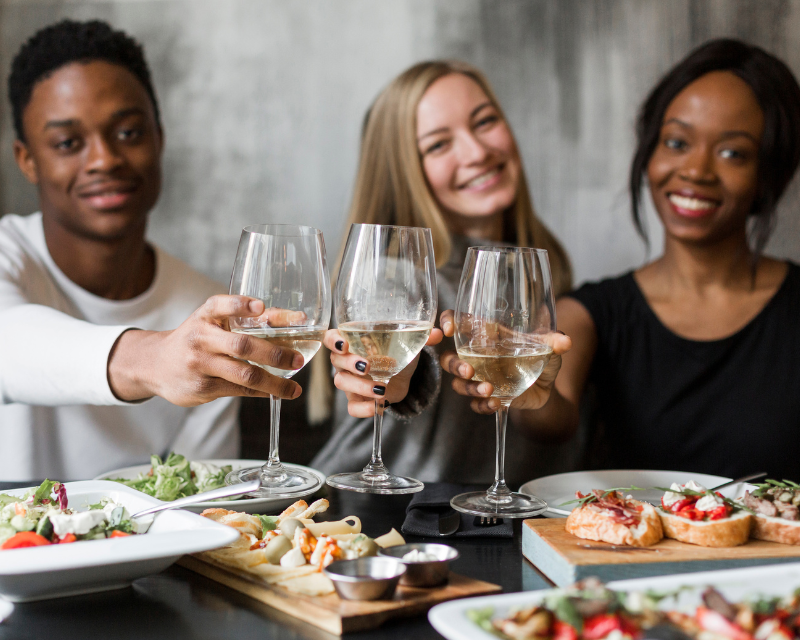
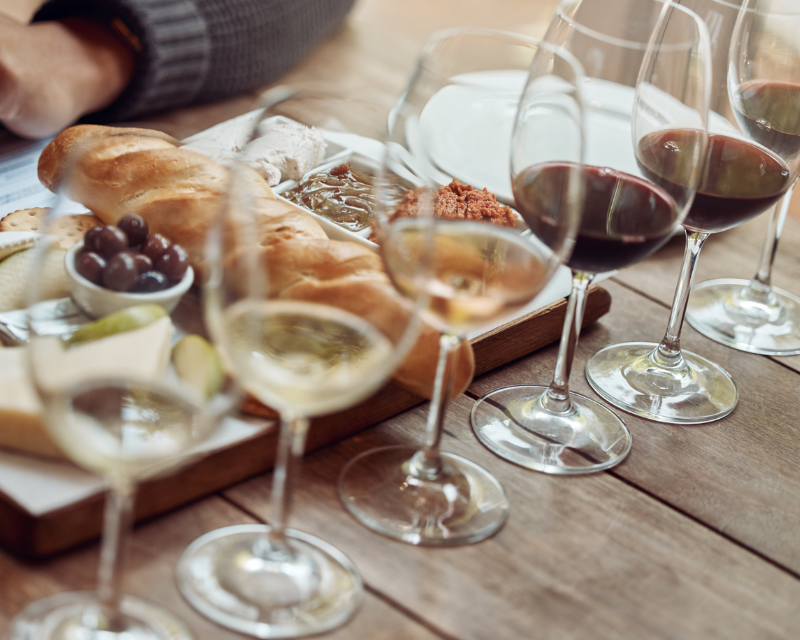
When wine is paired with the right foods, the experience becomes even more engaging. A well-designed wine tasting with food pairings demonstrates how specific foods can enhance, balance, or even transform a wine's flavors. The key is selecting foods that complement the wine's acidity, tannins, sweetness, body, and overall flavor profile.
1. Define the Goal of the Tasting
A pairing tasting is educational and experiential. Guests should learn how the right food can change the perception of a wine.
The tasting should show how food can:
- Soften tannins
- Highlight fruit flavors
- Balance acidity
- Enhance sweetness
- Create contrast or harmony
Example themes:
- Classic regional pairings (Italian wines with Italian foods)
- Cheese and wine tasting
- Wine and chocolate pairing
- Old World vs New World pairings
- "How food changes wine"
For most events, 4 to 6 wine pairings is ideal.
2. Follow the Fundamental Wine Pairing Principles
Match Intensity
Light wines pair with lighter foods. Bold wines need richer foods.
- Pinot Grigio + light seafood
- Cabernet Sauvignon + steak
Acidity Loves Fat
High-acid wines cut through fatty foods.
- Sauvignon Blanc + goat cheese
- Champagne + fried foods
- Chianti + tomato sauce
Tannins Need Protein
Protein softens tannins in big red wines.
- Cabernet Sauvignon + steak
- Bordeaux + lamb
- Barolo + braised meats
Sweet Wine Needs Sweet Food
Wine should be as sweet or sweeter than the dessert.
- Port + dark chocolate
- Sauternes + crème brûlée
Salt Enhances Wine
Salt reduces bitterness and enhances fruit flavors.
- Champagne + salty snacks
- Riesling + salty cheese
Contrast Can Work
Opposites sometimes create great balance.
- Sweet wine + spicy food
- High acid wine + creamy sauces
3. Structure the Tasting Progression
Just like wine tastings, pairings should progress from light to bold.
- Sparkling wine
- Light white wine
- Rich white wine
- Light red wine
- Bold red wine
- Dessert wine
4. Example Wine and Food Pairing Tasting
Pairing 1 — Sparkling Wine (Champagne or Prosecco)
Food: fried calamari, potato chips, tempura shrimp. Sparkling wine acidity and bubbles cut through fried foods.
Pairing 2 — Sauvignon Blanc
Food: goat cheese, fresh herbs, light seafood. The acidity complements the tangy cheese and herbal notes.
Pairing 3 — Chardonnay
Food: roast chicken, lobster, cream sauces. The fuller body and buttery notes match the richness of the dish.
Pairing 4 — Pinot Noir
Food: mushrooms, duck, salmon. Earthy flavors in the wine pair beautifully with mushrooms.
Pairing 5 — Cabernet Sauvignon
Food: steak, aged cheddar, lamb. Protein softens tannins and enhances the wine's fruit.
Pairing 6 — Port or Dessert Wine
Food: dark chocolate, blue cheese, chocolate truffles. Sweetness balances the bitterness of chocolate.
5. Prepare the Food Portions
Portions should be small tasting bites, not full meals.
- Cheese cubes
- Crostini
- Small sliders
- Chocolate squares
- Bite-sized seafood
Guests should be able to taste the wine, then the food, then the wine again.
6. How to Conduct Each Pairing
Step 1: Taste the Wine Alone. What fruit flavors do you taste? Is it acidic, smooth, tannic? Light or bold?
Step 2: Taste the Food Alone. Fatty, salty, creamy, sweet, savory?
Step 3: Combine Food and Wine. Guests will notice: the wine becomes smoother, fruit flavors increase, acidity balances fat, tannins soften. This is where the magic happens.
7. Explain the Interaction
After the pairing, explain why it works.
"Notice how the steak softens the Cabernet's tannins and brings out more fruit in the wine."
These insights make the tasting memorable.
8. Timing the Event
| Time | Activity |
| --- | --- |
| 0:00 | Welcome and explanation |
| 0:10 | Pairing 1 |
| 0:20 | Pairing 2 |
| 0:30 | Pairing 3 |
| 0:40 | Pairing 4 |
| 0:50 | Pairing 5 |
| 1:00 | Dessert pairing |
Total time: 60 to 90 minutes.
9. Setup Tips
Prepare stations with:
- Wine glasses
- Food plates
- Water
- Bread or crackers
- Tasting sheets
- Dump buckets
Serve wines at the correct temperature and in the proper order.
10. Professional Tasting Tips
Encourage guests to:
- Smell the wine first
- Taste wine before food
- Taste food
- Taste wine again
The second wine taste after the food shows how the flavors interact.
Example 5-Pairing Wine Dinner
- Champagne + oysters
- Sauvignon Blanc + goat cheese salad
- Chardonnay + lobster
- Pinot Noir + duck breast
- Port + chocolate
This format is widely used in restaurants and wineries.
Key goal of a food and wine tasting: show guests how food can change and enhance the perception of wine.